

Anyone who has enjoyed darts in a pub and then attempted Lucky Jet online could feel a strange sense of déjà vu. The core sensation is the same: that breathless moment following a projectile’s path, wishing it to land in your favour. This piece looks at that crossover, dissecting how the strategic gap we call “darts between throws” works on the same frequency as the cash-out decisions in Lucky Jet. It’s where an old pub staple collides with a new digital hit.
The Enduring Appeal of the English Pub Game
You cannot separate darts from the pub. The game is woven into the fabric of social life there. It’s a test of skill and nerve, played out against a backdrop of chatter and clinking glasses. The routine is standard: walk to the oche, throw, retrieve your darts, and do the maths. That rhythm becomes a kind of conversation. It creates camaraderie and a bit of healthy competition. For decades, it’s provided a basic but deep kind of fun, a challenge to keep your hand steady while your mates watch.
Darts endures because it gets the balance right. It demands real, measurable skill—you can’t fake a double-top finish. Yet, anyone can pick up a dart and have a go. The board itself is a map of risk and reward, each segment clearly marked with its value. Tension mounts leg by leg, often coming down to that final, closing double. This creates compact, self-contained rounds of play. It’s a structure you see reflected in the discrete bets and rounds of many online games that borrow from this pub spirit.
Exploring the Lucky Jet Gameplay Mechanics
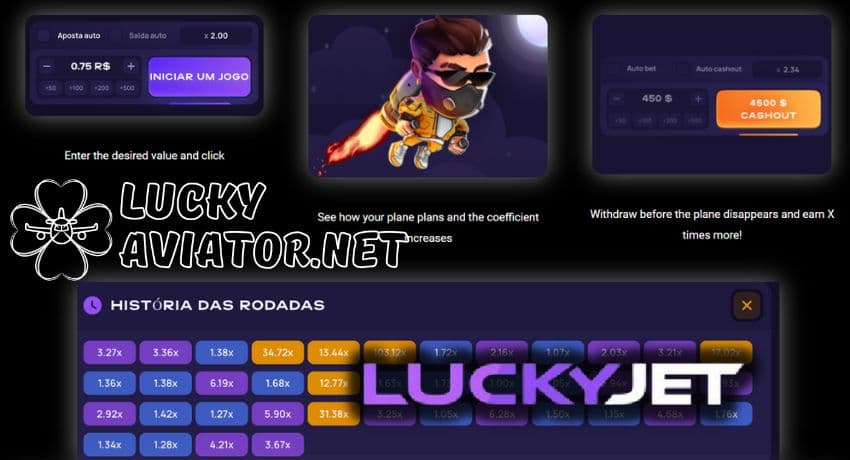
Lucky Jet runs on a basic, visual hook. A cartoon character with a jetpack takes off, and a multiplier climbs as it travels further away. Your job is to withdraw your bet before the character disappears into thin air. The higher it climbs, the greater your potential win, but the bigger the chance you receive nothing. Every second of that climb ramps up the tension, echoing the arc of a dart in mid-air.
The loop is engaging in its simplicity: bet, watch, and decide. You have no control over the jet itself. Your only lever is the cash-out button. The skill isn’t physical; it’s in your timing and your tolerance for risk. That internal struggle between greed and caution is something everyone understands. It turns a chance-based game into a test of nerve, posing the same question as a crucial dart throw: go for the glory, or bank what you’ve got?
Hra v šipky Mezi hody: Psychologie of tohoto klidu
Při hře v šipky, nejde jen o samotný hod. It’s in the quiet moment after. Tehdy hráč provádí výpočty, přizpůsobuje taktiku, a nadechne se. They look at the scoreboard, pick a target—maybe the fat bit of the 20, maybe a narrow double—and visualise the shot. Tato pauza je kapsa soustředění uprostřed hlučné hospody. Právě zde probíhá mentální souboj.
Tady se buduje nebo boří klid. Je to boj proti rozptylování, tlakem okamžiku, a vlastními narůstajícími pochybami. Dobří hráči ovládají tento prostor. Využívají ho k resetu a plnému soustředění na další akci. Tato “strategická pauza” je přímým příbuzným momentu u Lucky Jet. Jde o totožné duševní rozpoložení, watching the multiplier rocket upward, s prstem nad tlačítkem, zda vybrat nebo jet dál.
Parallels in Pacing: From the Dartboard to the Online Platform
The rhythm of a darts match and a Lucky Jet session are close relatives. Both function in quick, distinct rounds. Darts involves throws and legs. Lucky Jet has back-to-back rounds that end in an instant. This rhythm is simple to get into and difficult to leave. Every round seems like a fresh start, a new chance. That’s a strong driver for encouraging continued play.
They also both let you spectate. In the pub, you study your opponent’s throws, assessing their form and their fortune. Online, you usually see a feed of other players cashing out, their wins and losses appearing. This communal observation, this joint observation of luck, forges a kind of community around the event. Whether physically or virtually, you’re not playing in a vacuum. You’re part of a shared pattern of waiting and seeing what happens.
Expertise vs. Chance in Pub and Electronic Gaming
Darts is a game of skill, period. Muscle memory, a consistent stance, a smooth throw—these are honed through training. A chance bounce might happen once, but over time, the better player wins. Lucky Jet is distinct. It’s a game of luck with a judgment added on top. You cannot steer the jet, but you choose when to bail out. That selection needs savvy and a cool head.
Grasping this distinction correctly matters. Viewing Lucky Jet as a strictly skill game will steer you wrong, the same as attributing bad luck for every dart that fails to hit the treble ignores poor technique. Lucky Jet’s hybrid nature—unpredictable flight, intentional cash-out—is what gives it appeal. It evokes the *experience* of pitting your wits against fate. It seems like needing to “hit the double under pressure,” even though the inner workings underneath are completely different.
The Community Aspect: Bonding Over Games
Conventional pub games live and die by their social setting. The banter, the drinks together, the groans and cheers are part of the package. Darts is typically a team affair, the basis of local leagues and lasting friendships. This community is a key reason the game has lasted. Digital platforms have tried to copy this by integrating chat boxes, leaderboards, and live feeds of other players playing.
While playing Lucky Jet, you’re often aware you’re in a digital room with others. It differs from a physical pub, but it offers a modern version of socializing. Whenever someone hits a huge multiplier and all see it pop up, it generates a wave of digital applause. It appeals to the same human craving for mutual exhilaration and a good story that you encounter around a dartboard.
Fresh Interpretations of Traditional Game Concepts
Lucky Jet is a slick, modern take on ideas that are as old as gambling itself. The “cash-out” button is just a digital form of knowing when to walk away. The rising multiplier is a evolving, visual gauge of escalating odds, more visceral than any static dartboard. It takes the psychological heart of traditional betting—the anxiety of not knowing the outcome—and wraps it in bright, game-like graphics.
This kind of evolution is normal. Games always adapt to their medium. Darts itself started with people throwing shortened arrows at the bottom of wine casks. Online games take those classic human urges and channel them into new interfaces. They strip away physical barriers for instant play, but keep the essential emotional experience. Lucky Jet doesn’t kill the pub experience. It just presents a new, accessible path to the same old rush of waiting for a result.
Safe Gaming in Any Venue
It doesn’t matter if you’re in a snug pub corner or on your couch on your phone; gaming responsibly is key. The fast, round-based nature of darts and Lucky Jet alike can make sessions stretch on. In darts, the social setting and the need to walk to the board provide natural pauses. Online, you need to establish those breaks independently. Deciding on a budget and time frame before you hit “play” is like deciding how much you’ll spend on drinks for the night.
A healthy approach is to consider gaming as paid amusement, not a side hustle. The money you’re willing to spend is the cost of admission for the thrill. When that budget’s gone, the playtime concludes, regardless of whether you’re up or down. This mindset is essential for digital play, but it’s equally wise at the bar. Savor the game for the excitement, the challenge to your composure, and the social fun. Avoid playing solely for profit.
Cultural Fusion: Why the Analogy Strikes a Chord
Drawing parallels between darts to Lucky Jet works because it connects something new to something deeply ingrained. It anchors an innovative digital game in traditional territory. For a lot of individuals, the idea of “darts between throws” perfectly describes that tense cash-out window in Lucky Jet. The fusion helps new players understand the game’s rhythm and psychological stakes using a system they already understand.
In the final analysis, both games feed the same human appetite. They provide bursts of focused tension and release inside a structured, entertaining framework. They build a tale—the tale of a comeback in a darts match, or the legend of a perfectly timed 50x cash-out. That story piece, the moment you remember and retell later, is the heart of the attraction. It’s why we play, on any stage, in any era.
Common Questions
Is it Lucky Jet a game of skill similar to darts?
Not exactly. Darts depends on physical skill you develop over time. Lucky Jet is a game of chance; the jet’s flight is random. The skill element is in your cash-out timing. That requires managing risk and keeping your emotions in check, which is similar to the mental side of darts. But you cannot use a practiced throwing motion to influence where the jet goes.
What exactly does “darts between throws” mean in this context?
It’s a means of describing the crucial pause for decision-making https://flytakeair.com/lucky-jet/. In darts, it’s the moment a player works out the scores and selects their target. In Lucky Jet, it’s the tense gap where the multiplier is climbing and you must decide instantly to cash out or wait. Both are psychological intervals where the real game occurs in your head, demanding focus and calm under pressure.
Am I able to play Lucky Jet in a social atmosphere like a pub game?
It’s played online, but Lucky Jet typically has social features like live chat and visible bets, making a shared digital space. It replicates the communal buzz of a pub, but on a screen. To get the real pub feel, friends can crowd around one device, debating over when to cash out and exchanging the reactions, combining the digital game with a physical get-together.
How do I manage my play responsibly with fast-paced games like this?
Define a firm budget and a time limit before you begin. View it as buying entertainment. Use the responsible gaming tools on the platform, like deposit limits and timeout settings. Take regular breaks. Never try to win back what you’ve lost. Remember, the fun is in the gameplay and the decisions, not the money. If you stop having fun, log off right away.