
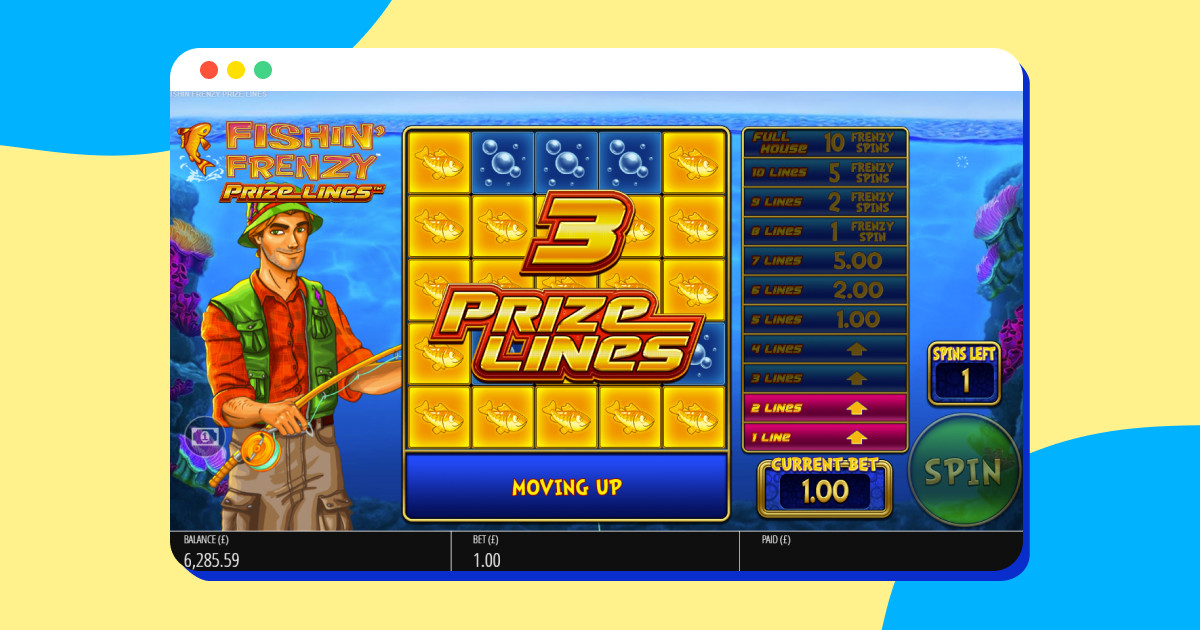
There is a captivating trend among UK players hooked on the Fishin Frenzy slot https://fishin-frenzy-casino.com/. Plenty of them aren’t just depend on knowing the game. They possess their own traditions and lucky charms, sure these help catch the big one. This is greater than simple superstition; it is woven into the core of how they play. By scouring player forums, community chats, and shared stories, we have compiled the most prevalent and engaging good luck practices doing the rounds. Ranging from old-school tokens to new digital habits, these charms show a whimsical, positive side to turning the reels.
The mindset Behind Superstition in Slots
To grasp why these charms matter, we need to examine the psychology at play. Games like Fishin Frenzy use Random Number Generators. Pure chance dictates the outcome. But human brains detest pure chance. We’re wired to find patterns and claw back some measure of control. A lucky charm provides that illusion. It lowers the anxiety and makes the whole session more fun. That psychological comfort is a real draw. Across the UK, where gaming is a staple pastime, these personal rituals layer a story onto the randomness. A digital spin becomes a little event with its own backstory.
This behaviour receives a boost from a game with a theme like Fishin Frenzy. The whole idea of ‘catching’ wins renders talismans feel natural. Players aren’t just pressing a spin button. They’re casting a line, and every angler has a favourite lure or a trusted hat. The charm morphs into part of the player’s identity inside the game’s world. It forges a bridge between the digital screen and a tangible, real-world belief. The result is an experience that feels more complete and immersive than just making a bet.
Traditional Physical Tokens and Their Significance
Most often, the charms are physical objects kept within arm’s reach during play. They tend to be small, personal items believed to carry luck. The classic example is a coin, especially an old or foreign one. Numerous UK players talk about using a pre-decimal coin, like a sixpence, for a touch of tradition. Others have a dedicated ‘lucky 50p’ sitting on the desk. They say the solid weight of the metal anchors the luck, a direct counterpoint to the invisible digital credits on screen.
Jewellery shows up a lot too. Rings are common, particularly ones given as gifts or marking a big life moment. We’ve come across players who refuse to spin Fishin Frenzy’s reels unless they’re wearing a specific piece. The idea connects game success to the positive emotional vibes of the object. Small figurines are another regular sight. A tiny fisherman ornament or a carved animal—like a frog for wealth or a dolphin for safe guidance—often perches by the keyboard, acting as a silent supporter for every cast of the digital net.
Digital Rituals
In online play, physical charms give way to digital rituals. These are set sequences of actions players feel they must do to turn on the good luck. A widespread one involves tapping the screen in a particular pattern before hitting spin, usually on the fisherman character or the claim button. Some insist on letting the full intro animation and its jaunty music play out. They believe this lets the game settle into a generous mood.
Timing is a big part of it for many. Certain UK players only play during their lucky hour. This might be tied to personal numerology, or simply the time they once scooped a decent win. The act of logging in right on that minute is itself part of the charm. Another standard practice is the preliminary spin on the lowest bet. It’s a probe to check if the conditions are right. If that test spin brings any win, even a tiny one, it’s taken as a signal to proceed with higher stakes. This creates a neat, self-fulfilling loop of confidence.
What makes Fishin Frenzy Specifically Inspires These Habits
The game’s design practically encourages superstitious behaviour. Its core loop reflects real fishing. You throw a line, wait for a bite, and reel in a fish. Real angling is loaded with luck-based lore, so the connection seems natural. The game’s symbols, all fish, tackle boxes, and life rings, plus its cheerful seaside look, build a coherent little world. It appears distinct from everyday reality. That renders bringing in real-world lucky charms seem like a logical step. It’s like packing your bag for an actual fishing trip.
On top of that, the game’s bonus features have a hands-on feel. Take the ‘Fisherman’s Friend’ free spins round. It asks you to pick a location. That moment of choice is prime territory for charm use. Players sense their talisman steers their selection. When a win comes, the celebratory jingles and flashing lights provide positive reinforcement. The player’s brain might silently link that success to their earlier ritual, locking the behaviour in place. Fishin Frenzy doesn’t just put up with superstition. Its theme and mechanics softly encourage it.
Atmosphere and Vibe as a Lucky charm
Sometimes the entire playing space gets curated as one big good luck charm. People shape their environment to establish a lucky vibe. This goes past simple comfort into intentional design. Light matters to many. They’ll use a specific lamp, sometimes with a green shade to echo the shade of money, or ensure natural light reaches the monitor just so. The shade green itself is a favorite choice, affecting choices for mouse pads, desk mats, or even the t-shirt they put on to play.
Sound is just as crucial. While Fishin Frenzy has its own upbeat soundtrack, numerous players silence it. They replace their own winning playlist instead. This could be an album that was playing during a past win, or ambient sounds like flowing water or rainfall that suit the fishing theme. The objective is to build a sensory bubble where luck doesn’t just seem possible, it seems expected. Shaping the environment like this is a strong kind of charm. It drops the player completely into their own personal world of fortune.
Remarkable Player Stories from UK Forums
Community forums are filled with charm-related tales. One story from a Scottish player is memorable. He used a battered fishing fly lure inherited from his grandfather. He’d place it on his internet router every time he played and insisted it led to a run of good wins. Another player, from Cornwall, always prepared a cup of tea in a particular ‘winning mug’ before a session. The ritual of preparation was as important as the drink itself.
Then there are the stories where a losing streak gets blamed on a charm’s absence. A player from Manchester described a dry spell that only broke when she discovered she’d moved her lucky crystal to dust it. The moment she put it back in its spot beside the monitor, her ‘catch rate’ reportedly picked up. These shared stories do more than just amuse. They support the use of charms within the community, turning personal superstition into a shared cultural practice for Fishin Frenzy fans. Social proof makes the belief system stronger.
Balancing Charm with Controlled Play
These unusual traditions are fun, but we need to combine this chat with a heavy dose of responsibility. A lucky charm is not a strategy. It’s a mental tool for boosting enjoyment, not an edge over the game. The RNG assures every spin on Fishin Frenzy is separate and random. No object, ritual, or special mug can change its outcome. Understanding this is the absolute foundation of healthy play.
The ideal approach is a measured one. Enjoy your rituals as part of the game’s theatre, but follow these core rules.
- Determine a firm budget before you log in, no matter how lucky you’re feeling.
- Utilize the time-out tools and deposit limits every UKGC-licensed casino provides.
- Treat any wins as nice surprises, not a guaranteed payback for your ritual.
- If a charm or habit starts causing anxiety or makes you chase losses, step away.
What’s truly charming about Fishin Frenzy is its engaging theme and solid gameplay. Your lucky sixpence or special mug should just add a sprinkle of personal fun on top. Hold superstition in its proper box as a playful sidekick, not the boss, and you’ll keep your gaming as a enjoyable pastime. View of it like a relaxing day by the water, rather than a high-stakes expedition.